
Margaret Bearman is a Research Professor within the Centre for Research in Assessment and Digital Learning (CRADLE), Deakin University. She is known for her conceptual and empirical studies of higher and health professional education. Current programs of research include: learning to work with artificial intelligence (AI); and feedback cultures in clinical education. She was part of the leadership team responsible for the production of the 2023 national guidelines for Australian universities: Assessment reform for the age of artificial intelligence.

Magnus Boman is a professor in AI within Health at Karolinska Institutet, division of Clinical Epidemiology. He has been programming self-learning software for over 40 years, having acted as main supervisor for eleven Ph D students and over one hundred master theses, across three universities. He is an honorary professor at University College London, division of Psychiatry, and an epidemiology fellow of the Royal Society of Medicine.
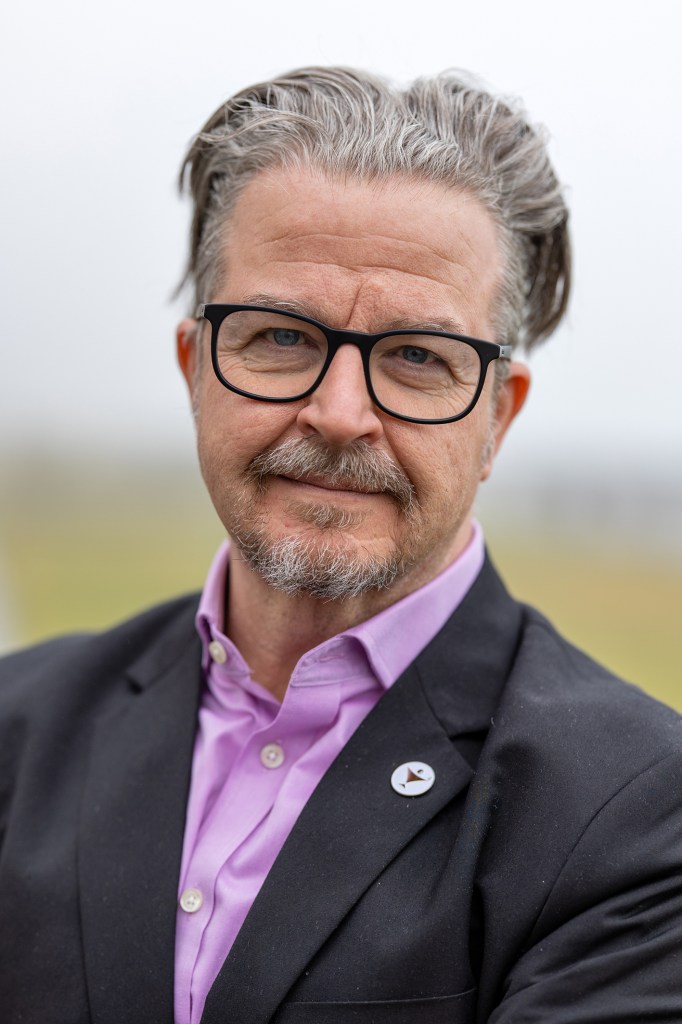
Howard Catton, CEO, International Council of Nurses
Howard was appointed the Chief Executive Officer of the International Council of Nurses (ICN) in February 2019. He is committed to ensure that ICN effectively represents nursing worldwide, advances the nursing profession, promotes the wellbeing of nurses and advocates for health in all policies. Throughout his career Howard has worked and written extensively on issues relating to the Nursing and Healthcare Workforce and he co-chaired the first ever State of the World’s Nursing Report. He has led ICN’s work to respond to and support nurses globally during the pandemic and has been at the forefront of advocating for the protection of and investment in the nursing profession. Howard joined ICN in April 2016 as the Director, Nursing, Policy and Programmes. His team led the development of ICN policy and position statements. He also co-ordinated ICN Programmes and projects and oversaw the development of scientific programmes for ICN events. Howard qualified as a Registered Nurse in 1988 and held a variety of nursing posts in England and the United States and worked for the New Zealand Nurses Organisation. He studied Social Policy at Cardiff University (BSc Econ Hons) and Industrial Relations at Warwick University (MA) and then worked as a Personnel and Organisational Change Manager in the National Health Service in the UK. For 10 years Howard was Head of Policy & International Affairs at the Royal College of Nursing in the UK.

Walter Eppich, MD, PhD
Walter is Professor of Work Integrated Learning Research in the Department of Medical Education and Collaborative Practice Centre at the University of Melbourne. A paediatric emergency doctor, educator, and researcher, he is passionate about helping teams unlock their collaborative potential and optimize their performance in high-pressure environments. He holds a PhD in Health Professions Education and an Advanced Diploma in Professional Coaching. His international teaching and research focusses on how to help teams enhance performance and learn from adversity to emerge more capable, resilient, and adaptive. He studies the intersections between simulation and workplace learning with a focus on interprofessional collaborative practice, team reflection, and conversational learning.

Dr. Shiphra Ginsburg is a professor in the Department of Medicine and a Scientist at the Wilson Centre for Research in Education at the University of Toronto. She holds a Tier 1 Canada Research Chair in Health Professions Education. Her research, which employs qualitative and mixed methods, focuses on enhancing assessment practices by incorporating contextual and subjective elements, challenging the field’s historical reliance on objective, quantitative metrics. Dr. Ginsburg’s contributions explore how clinical supervisors evaluate and communicate medical learners’ competence, addressing biases and improving feedback mechanisms to support development in complex clinical environments. This work has now evolved to include the evaluation of faculty supervisors by learners. Dr. Ginsburg also also conducts research on professionalism in medical education from the perspective of learners and faculty. Dr. Ginsburg has been recognized internationally, including as a Fellow of the Karolinska Institutet Prize for Research in Medical Education, underscoring her impact on global medical education standards. Her work continues to influence educational policies and practices, particularly as the healthcare field shifts toward competency-based models that prioritize direct, continuous feedback and assessment strategies. She supervises resident and graduate students’ research and collaborates widely with national and international colleagues.

Rhonda V. Magee, M.A., J.D., is Professor of Law, Emerita, and Founding Director of the Center for Contemplative Law and Ethics at the University of San Francisco School of Law. Professor Magee is an internationally-recognized mindfulness teacher and prolific author who has spent more than twenty years exploring the intersections of anti-racist education, social justice, and contemplative practices, garnering international acclaim for her work. She is the author of the award-winning The Inner Work of Racial Justice: Healing Ourselves and Transforming Our Communities Through Mindfulness (Penguin RandomHouse TarcherPerigee: 2019), which broke new ground in bringing mindfulness together with diversity and inclusion theory and practice. Her current work integrates contemplative ways of knowing, teaching, skill-building and leading as the foundation for wiser, more meaningful and ethically-grounded action for creatively growing together through the greatest challenges of our times.
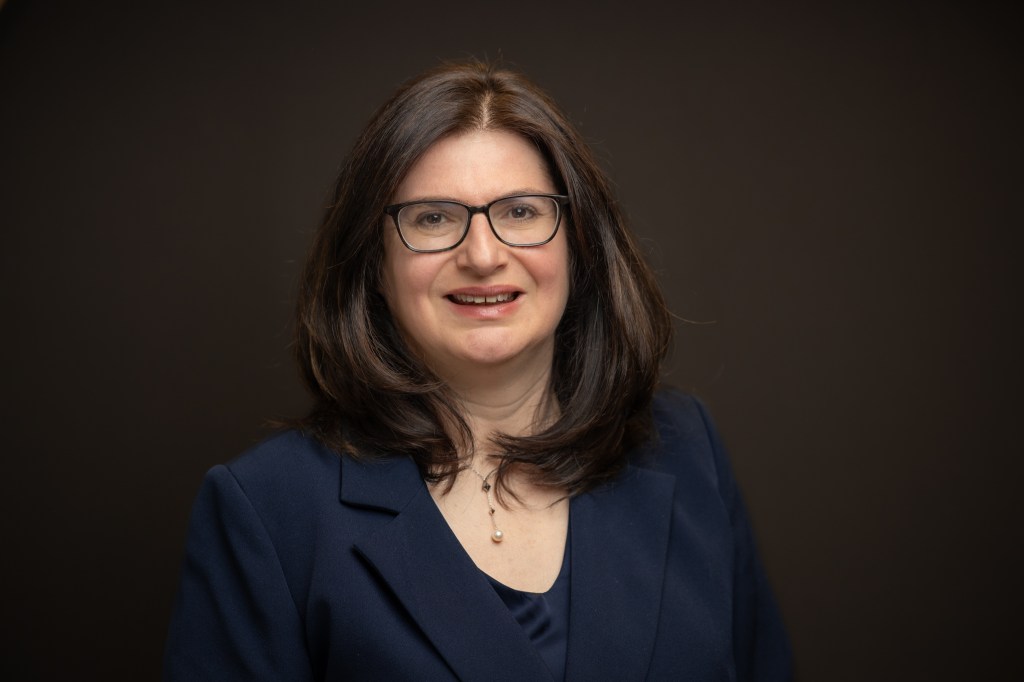
Dr. Maria Athina (Tina) Martimianakis is Professor and Director of Medical Education Scholarship at the Department of Paediatrics, and Scientist and Associate Director, Collaborations and Partnerships at Wilson Centre for Research in Medical Education. Tina studies the socio-politics of education with a particular focus on how we influence learning and the construction of health professional identities through structure, culture and discourse. Her work has explored the effects of discourses such as globalization, collaboration and compassion in health professional education. Her educational practice is closely aligned to her research program. As an educator, Tina employs critical and social cultural pedagogies to develop programming to address hidden curriculum effects and improve the learning environment and to enable health professionals to incorporate complex negotiations of the social world in their educational planning and implementation.
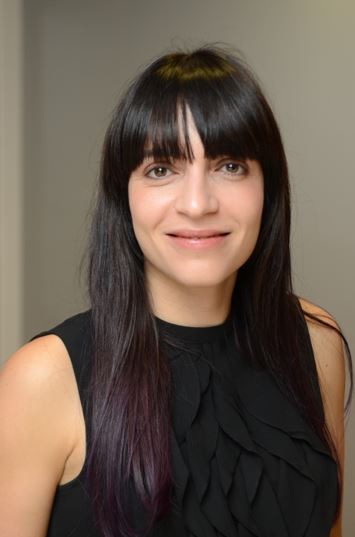
Dr. Maria Mylopoulos holds her PhD in human development and education. Over the last 17 years (or so) she has successfully led a program of research aimed at understanding the development and performance of adaptive expertise in medicine, with a particular focus on identifying the ways in which expert clinicians move beyond application of their past knowledge when appropriate to address the needs of patients as well as the limits and opportunities of their own contexts. In her work, Maria uses a range of methodologies and theoretical frameworks from cognitive psychology, clinical reasoning, and the learning sciences to evolve understanding of the knowledge, capabilities and learning experiences that underpin adaptive expertise. The ultimate goal of her research is to translate this understanding to educational design that cultivates the development of expert clinicians who are able to handle the complexities and challenges of the healthcare workplace.

Viren N. Naik MD, MEd, MBA, FRCPC
Dr. Viren Naik is the Chief Executive Officer of the Medical Council of Canada, leading its mission to serve as a trusted keeper of physician credentials, and assessor of a physician’s general competencies to inform safe licensure decisions. He is a Professor of Anesthesiology at the University of Ottawa and has over 25 years of experience as an educator, researcher, and leader. In 2009, he was recruited from the University of Toronto to establish the University of Ottawa Skills and Simulation Centre as the founding Medical Director. In 2014 while completing his Executive MBA, he served as the Vice President, Education for The Ottawa Hospital, one of the busiest academic health sciences centres in the country. Between 2017 and 2022, Dr. Naik served as the Director of Assessment for the Royal College of Physicians & Surgeons of Canada and oversaw the credentialing and examinations for all specialties in Canada.
Mike Schaekermann is a senior research scientist at Google Health AI within Google Research in Toronto, Canada. His research is located at the intersection of human-computer interaction (HCI), artificial intelligence (AI) and medicine. Mike has led human-centered research for medical AI in various contexts including large language models, multimodal models, and health equity. He is excited about the potential of (generative) AI may hold in the context of health professions education and learning in health contexts more generally. Mike received a Ph.D. in Computer Science from the University of Waterloo, Canada, after completing his BScE degree in Salzburg, Austria and preclinical examinations in Medicine in Marburg, Germany. His research has been recognized by multiple awards including the Google PhD Fellowship and the Canadian Computer Science Distinguished Dissertation Award.
 Med Ed on the Edge